

Strategic System Design: Building Organizations That Work as One
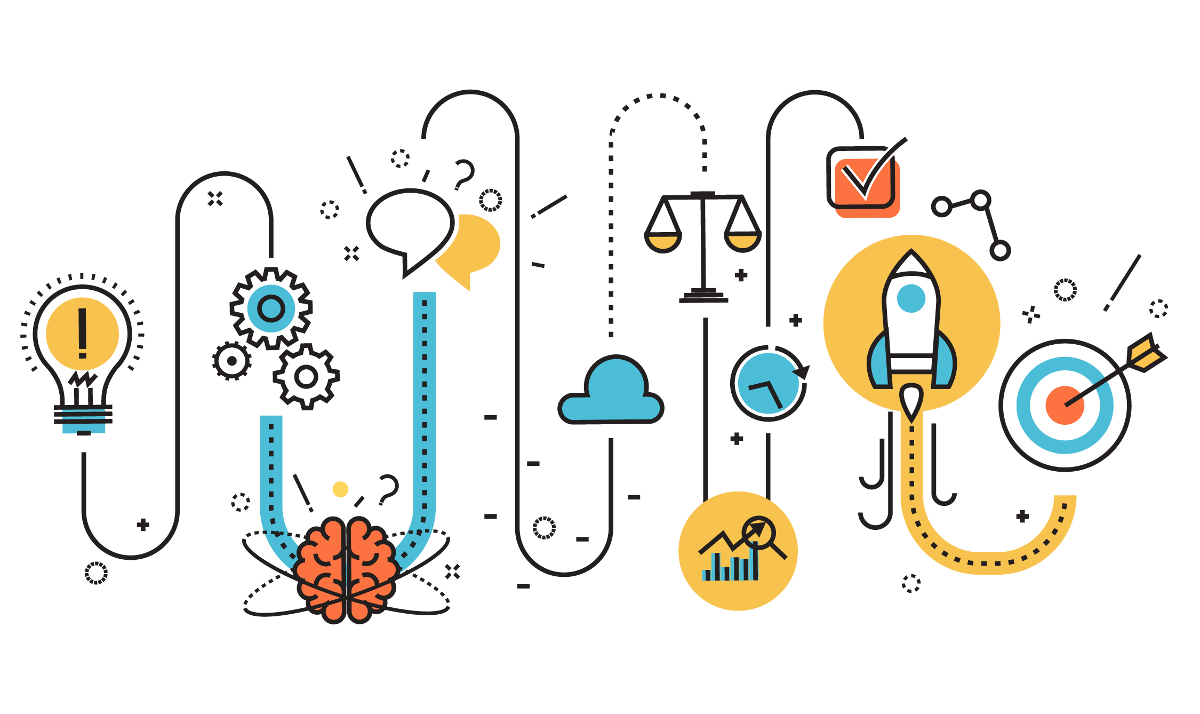
In today’s complex and fast-changing environment, organizations can no longer rely on isolated improvements or short-term fixes. True, sustainable success requires strategic system design—a deliberate approach to structuring technology, processes, people, and governance as one integrated and adaptive system.
Strategic system design moves beyond traditional planning. It focuses on how different components interact, influence each other, and collectively shape organizational performance.
What Is Strategic System Design?
Strategic system design is the practice of intentionally designing organizational systems to support long-term goals, resilience, and effective decision-making. Rather than optimizing individual parts in isolation, it examines the whole system—including digital infrastructure, operational workflows, human behavior, and leadership structures.
This approach ensures that strategy is not just documented, but embedded into how the organization actually operates.

Why Strategic System Design Matters
Many organizations struggle not because of a lack of talent or resources, but because their systems are misaligned. Disconnected technologies, unclear processes, and fragmented decision structures create inefficiencies and limit growth.
Strategic system design addresses these challenges by:
-
Reducing operational friction and redundancy
-
Improving coordination across departments
-
Enabling faster, data-driven decisions
-
Strengthening organizational resilience in times of change
When systems are designed strategically, organizations gain clarity, stability, and adaptability.
Core Elements of Strategic System Design
1. System Alignment
Every component of the organization—technology, people, processes, and governance—must support a shared strategic direction. Misalignment at any level weakens the entire system.
2. Integrated Technology and Operations
Digital systems should enhance, not complicate, operations. Strategic system design ensures that technology integrates seamlessly with real-world workflows and decision processes.
3. Human-Centered Design
People are central to any system. Effective design considers skills, incentives, culture, and communication to ensure systems are usable, trusted, and adopted.
4. Adaptive Governance
Clear roles, accountability, and feedback mechanisms allow systems to evolve as conditions change, without losing strategic focus.

From Strategy to Execution
One of the greatest strengths of strategic system design is its ability to bridge the gap between vision and execution. Strategy becomes actionable when it is translated into system structures, workflows, and measurable outcomes.
By continuously monitoring system performance and feedback, organizations can refine their design, respond to emerging challenges, and sustain long-term impact.
Conclusion
Strategic system design is not a one-time initiative—it is an ongoing commitment to thinking holistically and acting intentionally. Organizations that embrace this approach are better equipped to navigate complexity, manage change, and achieve sustainable growth.
At its core, strategic system design enables organizations to work as one coherent system, aligned with their mission and prepared for the future.


